Brick Lane garden maintenance experts for rental properties
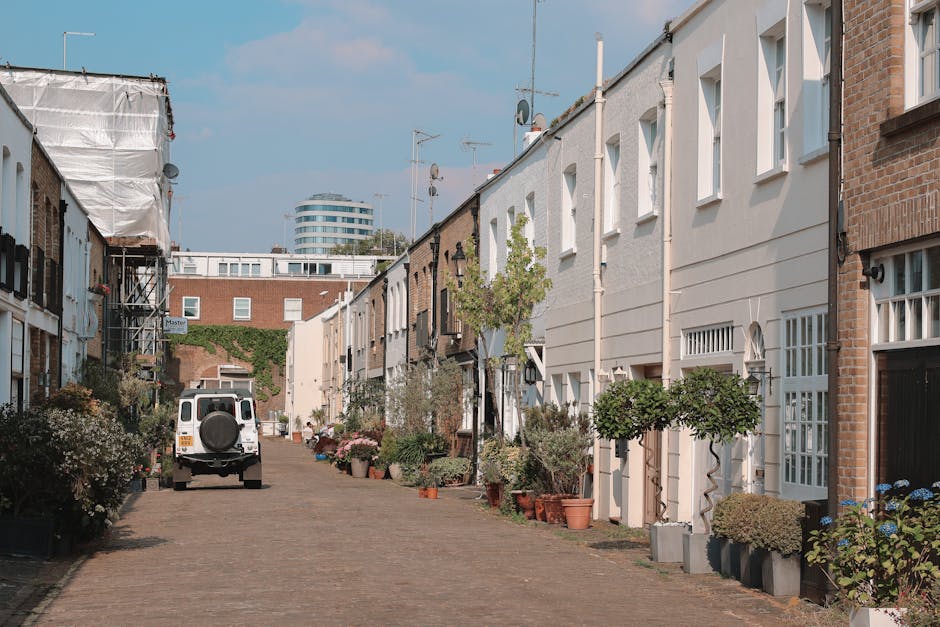
If you manage a rental flat, house, or shared outdoor space near Brick Lane, garden upkeep can be one of those jobs that quietly grows teeth. A patch of grass looks fine for a week, then suddenly the hedge is leaning, the path is slippery, and the whole space feels a bit neglected. That is exactly where Brick Lane garden maintenance experts for rental properties make life easier. They help keep outdoor areas tidy, safe, presentable, and ready for tenants, inspections, and move-ins without you having to chase every little task yourself.
This guide walks through what rental-property garden maintenance actually involves, why it matters in a busy East London setting, how a good service should work, and what landlords, letting agents, and property managers should look for. We will also cover common mistakes, a practical checklist, and a few sensible ways to compare options without getting lost in the weeds. Literally, sometimes.
Why Brick Lane garden maintenance experts for rental properties Matters
Rental gardens are different from private gardens. They need to look good for people who may only live there for a year, maybe two, and they have to stand up to a lot of wear and tear. In Brick Lane, that often means narrow outdoor spaces, shared access, shaded corners, bins stored outside, and tenants who are busy. Not bad people, just busy. And busy spaces go wild quickly.
Regular maintenance matters because a rental garden does more than decorate the property. It affects first impressions, tenant satisfaction, safety, and even the speed of re-letting. If an outdoor area is full of weeds, overgrown hedging, or damp leaves underfoot, it can make the whole property feel less cared for. That tends to colour the tenant's view of everything else too.
There is also a practical side. A tidy garden is easier to inspect, easier to photograph for listings, and easier to hand over at the end of a tenancy. Small jobs done regularly are usually less disruptive than one big rescue job later on. To be fair, that is true for most property maintenance, but gardens are especially unforgiving when ignored.
For landlords who want a consistent standard, a service such as garden maintenance can be the simplest way to keep on top of routine care without building up avoidable problems. If a garden has already slipped into a bigger tidy-up, a one-off garden clearance may be the better starting point before a regular schedule begins.
How Brick Lane garden maintenance experts for rental properties Works
A good rental-property maintenance plan usually starts with a site review. The gardener looks at the size of the space, what is growing, how often it gets used, and whether the garden is shared, private, or mainly decorative. That first look matters, because not every space needs the same routine. A small paved courtyard needs different care from a long rear garden with borders, hedges, and a patchy lawn.
From there, the work is usually split into repeatable tasks. These might include lawn mowing, hedge trimming, weeding, pruning, leaf clearance, border tidying, light hedge shaping, and making sure paths and access areas are clean and usable. If the property has timber features, decking, or landscaping details, those often need checking too. You do not want a lovely-looking garden with a slippery step or a damaged board. That is asking for trouble.
Some landlords prefer a fixed schedule, such as fortnightly in spring and summer and monthly in cooler months. Others book seasonal visits or arrange work around tenancy changes. There is no single right answer. The best setup depends on how quickly the garden grows, how tenants use it, and how much of the upkeep you want to take off your plate.
Where more specialised work is needed, a broader service package can help. For example, a property with tired boundaries may need hedge trimming, while a larger exterior refresh may call for landscaping or even landscape gardening to make the space easier to maintain long term.
Key Benefits and Practical Advantages
People usually think of garden maintenance as a cosmetic service. It is that, yes, but the best rental-garden work does much more than tidy the edges. It supports the property as a whole.
- Better tenant appeal: A neat outdoor space helps listings look cared for and move-in ready.
- Lower long-term costs: Little jobs are usually cheaper than dealing with heavy overgrowth later.
- Reduced complaints: Tenants are less likely to report access problems, blocked paths, or unpleasant mess.
- Safer outdoor areas: Clear walkways, trimmed growth, and removed debris reduce everyday hazards.
- Easier property inspections: A maintained garden makes condition checks far more straightforward.
- Less stress for landlords: There is one less thing to chase between tenancies, or during a busy season.
There is also a less obvious benefit: good outdoor maintenance protects the feel of the whole rental. If a tenant steps outside to see a tidy, breathable space instead of a scruffy afterthought, the property feels more complete. That can matter more than people expect.
For some rental homes, a simple mowing-and-tidy routine is enough. For others, especially where there is mature growth or awkward access, combining lawn mowing with tree lopping and removal or structural garden work may be the smarter long-term move. It depends on what is actually there, not what looks easiest from the pavement.
Who This Is For and When It Makes Sense
This service is a strong fit for landlords, letting agents, block managers, build-to-rent operators, and private owners with rental homes near Brick Lane and the wider East London area. It is especially useful where properties change hands often, where tenants are not expected to do major outdoor work, or where the garden is part of the lettable appeal.
It also makes sense when a property is about to be marketed. A well-kept garden can make photos feel brighter and the whole place more inviting, even on a grey London morning. That sounds small, but in rental lettings small details stack up fast.
You may also want expert help if:
- the garden has been neglected between tenancies
- the space is shared and nobody is clearly responsible for upkeep
- previous tenants left beds overgrown or full of debris
- you want a regular programme rather than one-off fixes
- the property has awkward access or compact outdoor areas that need careful handling
Let's face it: most rental owners are not trying to become part-time gardeners. They want the garden to be presentable, reliable, and not create extra admin. Fair enough.
Step-by-Step Guidance
If you are arranging maintenance for a rental property, a straightforward process usually works best. No fuss, no mystery.
- Assess the garden honestly. Look at what needs doing now versus what can wait. Note access issues, water points, and any damaged features.
- Decide the standard you want. "Tidy" is vague. "Mown lawn, edged borders, weeded paths, trimmed hedges, clear bin area" is much better.
- Choose the service mix. Some gardens only need routine care. Others need clearance first, then ongoing maintenance.
- Set the frequency. Growth changes through the year, so the schedule should flex a bit with the seasons.
- Agree on communication. Make sure you know who to contact, how updates are shared, and what happens if extra work is needed.
- Keep records. Before-and-after photos, visit notes, and simple job histories make renewals and inspections easier.
- Review after a few visits. If the garden is still getting out of hand, the schedule may need tightening.
One useful habit is to treat the garden like any other asset in the property. If it is part of the tenant experience, it deserves a plan. That sounds obvious, but people forget it all the time.
A simple maintenance rhythm that works well
In practice, many rental gardens do best with a light regular visit during the growing season, then a slower pace in autumn and winter. Spring tends to bring a rush of growth, while autumn leaves can make patios and paths feel untidy very quickly. A bit of foresight saves a lot of last-minute panic before viewings.
Expert Tips for Better Results
In our experience, the best rental gardens are not necessarily the most elaborate. They are the ones that are simple to maintain. That is the real trick.
- Choose durable planting: Border plants that cope with shade, foot traffic, and London weather are usually safer than delicate showpieces.
- Keep edges clear: Around paths, fences, and bin stores, a crisp edge often makes the whole space feel cleaner.
- Do not ignore drainage clues: Standing water, soggy corners, or mossy paving often hint at deeper maintenance issues.
- Plan around tenancies: Schedule heavier work between occupants where possible so tenants are not disturbed.
- Use pruning with restraint: Overcutting can leave a garden looking harsh and slow to recover.
- Think safety as well as looks: Loose boards, broken paving, low branches, and hidden trip hazards should be dealt with promptly.
A good local gardener will usually be honest about what the garden needs now and what can wait until the next visit. That honesty matters. You do not want unnecessary work, but you also do not want a polite shrug and a problem left to grow another month.
If the outdoor area includes timber features or structural surfaces, it may be worth looking at decking services as part of the wider plan. Sometimes the garden is fine, but the surface underfoot is what makes it feel run down.
Common Mistakes to Avoid
Rental-property garden maintenance goes wrong in a few predictable ways. The good news? Most of them are easy to avoid once you know what to watch for.
- Waiting until the garden looks bad: By then the job is bigger, more expensive, and more disruptive.
- Using a one-size-fits-all schedule: A shaded courtyard and a south-facing lawn do not grow at the same pace.
- Skipping seasonal checks: Autumn leaves, winter damp, and spring growth all bring different issues.
- Ignoring access and storage: If bins, bikes, or tenant belongings block the work area, maintenance becomes slower and messier.
- Choosing only on price: Cheapest is rarely the best value if the finish is patchy or communication is weak.
- Forgetting the handover point: If tenants are moving in or out, the garden should be clearly covered in the plan.
One slightly awkward truth: some gardens only need a tidy, but people book a full service because they are embarrassed to ask what is actually required. No need. A decent expert will tell you what is necessary and what is not. That is part of the job.
Tools, Resources and Recommendations
You do not need to become an expert gardener yourself, but it helps to know the sort of tools and service elements that usually matter in rental work. It makes conversations easier and keeps expectations realistic.
| Task | Typical approach | Why it helps rental properties |
|---|---|---|
| Lawn care | Regular mowing, edging, basic feed and tidy-up | Keeps the property looking looked-after and ready for viewings |
| Boundary work | Routine hedge trimming and shaping | Prevents overgrowth, improves light, and keeps access clear |
| Clearance jobs | Removal of weeds, debris, old pots, and accumulated waste | Useful between tenancies or after long neglect |
| Planning upgrades | Practical landscaping and layout changes | Can make future upkeep simpler and cheaper |
| Tree and high-growth work | Careful pruning or removal where needed | Supports safety and stops the garden becoming too shaded or crowded |
For many property owners, the best place to start is a simple service overview. A page like services overview can help you understand which tasks sit together naturally, and which ones are better treated separately. If you are still comparing suppliers or want to understand how estimates are usually handled, pricing and quotes is a sensible next stop.
It is also worth checking how a company handles standards behind the scenes. Things like insurance and safety, health and safety policy, and recycling and sustainability may not be glamorous, but they tell you a lot about how carefully the business works.
Law, Compliance, Standards, or Best Practice
For rental properties, garden maintenance is usually governed less by dramatic legal detail and more by good property management practice, tenancy agreements, and safety awareness. That said, owners and agents should not be casual about it. Outdoor areas can create hazards just as easily as indoor ones.
In the UK, landlords and managers are generally expected to keep rented homes reasonably safe and fit for use, and to meet the responsibilities set out in their tenancy terms. If a garden is part of the rented property, it is sensible to be clear about who is responsible for mowing, weeding, leaf clearance, pruning, and rubbish removal. Ambiguity causes arguments. It really does.
Best practice usually includes:
- clear written expectations in the tenancy or management notes
- regular inspections of outdoor areas
- prompt handling of broken paving, rotten timbers, loose steps, or trip hazards
- safe use of tools and appropriate protective equipment by anyone carrying out the work
- responsible disposal of garden waste, ideally with recycling in mind where practical
Where trees, high hedges, or unstable growth are involved, caution matters more than speed. A reputable contractor should be able to explain what can be maintained routinely and what needs a more careful approach. If a job looks risky, it probably is. Simple as that.
Options, Methods, or Comparison Table
Most rental-property owners in Brick Lane end up choosing one of three approaches. Each has its place.
| Option | Best for | Pros | Watch out for |
|---|---|---|---|
| One-off tidy-up | Neglected gardens, pre-let refreshes, end-of-tenancy jobs | Fast reset, good for first impressions | Does not prevent future overgrowth if left unscheduled |
| Regular maintenance | Occupied rentals and shared outdoor spaces | Predictable, efficient, usually best value over time | Needs a clear scope and visit frequency |
| Redesign plus upkeep | Older gardens that are difficult to maintain | Can improve usability and reduce future effort | Requires more planning upfront |
If the current layout is awkward, a light redesign may actually save money in the long run. For example, replacing a hard-to-mow patch with simpler planting or better paving can cut down on repeat visits. It is not always the flashy option, but it can be the sensible one.
Case Study or Real-World Example
Picture a Brick Lane rental property with a compact rear garden and a small strip at the front. The back space has a tired lawn, some overgrown borders, and a narrow run of paving that tenants use to reach the bins. Nothing dramatic, but enough to make the place feel a bit unloved.
The owner books a site visit before the next tenancy starts. The first job is a light clearance: weeds are removed, old debris goes, and the lawn is cut back into shape. Then the hedge is trimmed, the edges are neatened, and the path is cleared so it looks brighter and safer. The space is not turned into a show garden. That would be overkill. Instead, it becomes clean, usable, and easy to keep on top of.
A month later, the property manager sets a simple recurring schedule. Nothing fancy. Just enough to stop the garden from slipping again. The result is less panic before inspections, fewer tenant queries, and better photos next time the property is marketed. That is the sort of outcome people actually want.
And honestly, it is often the little things that make the biggest difference: a clipped hedge line, a tidy step, the smell of fresh cut grass on a dry morning. Small, but it changes how a property feels.
Practical Checklist
Use this checklist before booking a service or reviewing an existing maintenance plan.
- Is the garden part of the tenancy agreement or management plan?
- Does the space need clearance first, or only routine maintenance?
- Are lawn care, hedge trimming, and weed control all included where needed?
- Is the schedule seasonal, or fixed all year regardless of growth?
- Are paths, steps, and access routes checked for safety?
- Is waste removal or recycling included, or quoted separately?
- Have any decking, tree, or landscaping issues been identified?
- Is there a clear contact person for questions or changes?
- Will you receive photos or notes after the visit if needed?
- Does the provider explain safety, insurance, and standards clearly?
If you can answer most of those with confidence, you are probably in good shape. If not, there is room to tighten things up before the garden becomes another nagging issue on your list.
Get a free quote today and see how much you can save.
Conclusion
Brick Lane garden maintenance experts for rental properties are not just there to make a garden look pretty for five minutes. The real value is steadiness: keeping outdoor spaces safe, tidy, and simple to manage in the middle of real tenancy pressures, time limits, and changing weather. That steadiness matters whether you own one flat or manage several homes.
The smartest approach is usually practical rather than dramatic. Start with the current condition, choose the right mix of clearance and maintenance, and keep the work on a regular rhythm that fits the property. When that happens, the garden stops being a headache and starts doing its job quietly in the background. Which, truth be told, is exactly what most landlords want.
For a local, reliable next step, explore the company's about us page or use the contact us page to discuss the best plan for your rental property.
Small outdoor spaces can still make a big impression. Sometimes that is all it takes.
Frequently Asked Questions
What do Brick Lane garden maintenance experts for rental properties usually do?
They typically handle routine tasks such as mowing, hedge trimming, weeding, pruning, leaf clearance, and general tidying. For rental properties, the focus is usually on keeping the garden presentable, safe, and easy to manage between tenancies.
How often should a rental garden be maintained?
It depends on the garden's size, planting, and exposure. Many rental gardens benefit from more frequent visits in spring and summer, then lighter maintenance in autumn and winter. A fixed all-year schedule is not always the best fit.
Is garden maintenance the same as garden clearance?
No. Garden maintenance is ongoing care to stop a garden slipping into neglect. Garden clearance is a bigger reset, often used when the space is overgrown, full of debris, or has been left untouched for a while.
Should tenants or landlords pay for garden upkeep?
That usually depends on the tenancy agreement and the level of responsibility agreed at the start. Some tenants handle basic upkeep, while landlords arrange professional work for larger tasks or shared areas. Clear wording helps avoid disputes.
What if the rental garden has been neglected for months?
That is usually the point where a clearance visit makes sense before normal maintenance begins. A neglected space often needs weeds removed, growth cut back, and debris cleared away before a regular schedule can work properly.
Can maintenance improve rental property value or appeal?
It can improve appeal, presentation, and the overall feel of the property. While it should not be treated as a guaranteed value booster, a neat outdoor area does help with viewings, photos, and tenant satisfaction.
Do small rental courtyards need professional maintenance too?
Yes, sometimes more than larger gardens. Small spaces show clutter, weeds, and mess quickly. They may not need much work, but they often need consistent, careful attention to stay tidy.
What should I ask before hiring a garden maintenance provider?
Ask what is included, how often they recommend visits, whether waste removal is covered, how they handle access, and whether they can also support related tasks like hedge trimming or lawn care. It is also sensible to ask about safety and insurance.
How do I know whether I need landscaping rather than routine maintenance?
If the garden layout is awkward, hard to care for, or repeatedly becoming overgrown, a redesign or landscaping approach may be better. If the structure is fine and the issue is mainly upkeep, regular maintenance is usually enough.
Is waste recycling important in rental garden work?
It can be, yes. Responsible disposal of green waste and clear removal of rubbish are part of good practice. Some providers place a strong emphasis on recycling and sustainability, which is worth checking if that matters to you.
What makes a garden maintenance service good for letting agents?
Reliability, clear communication, consistent standards, and the ability to work between tenancies all matter. Letting agents usually need a service that can respond quickly, keep records, and leave the property looking presentable with minimal fuss.
How do I compare prices fairly?
Do not compare headline numbers alone. Check what is actually included: mowing, trimming, waste removal, clearance, visits per month, and whether extra work is priced separately. The cheapest quote can be poor value if it leaves half the job undone.